
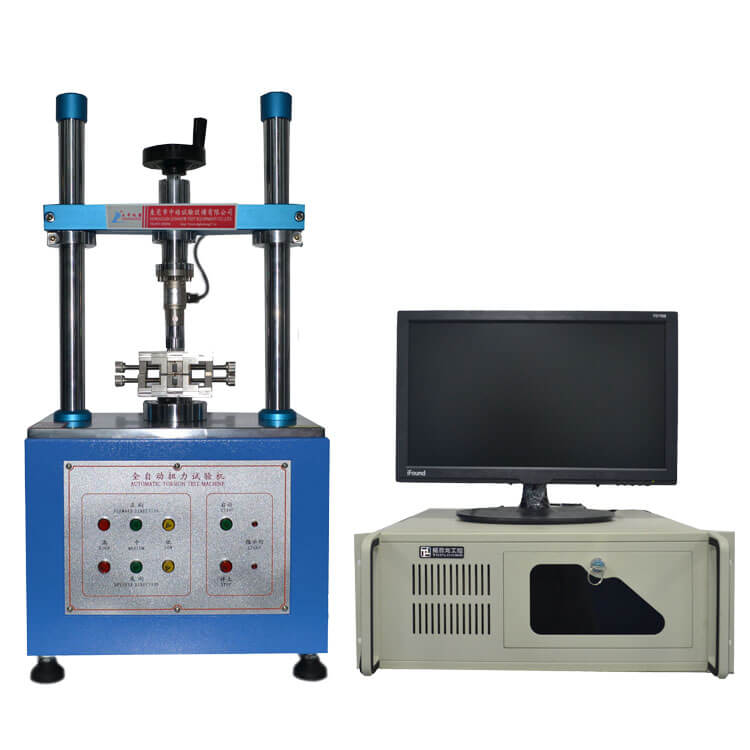
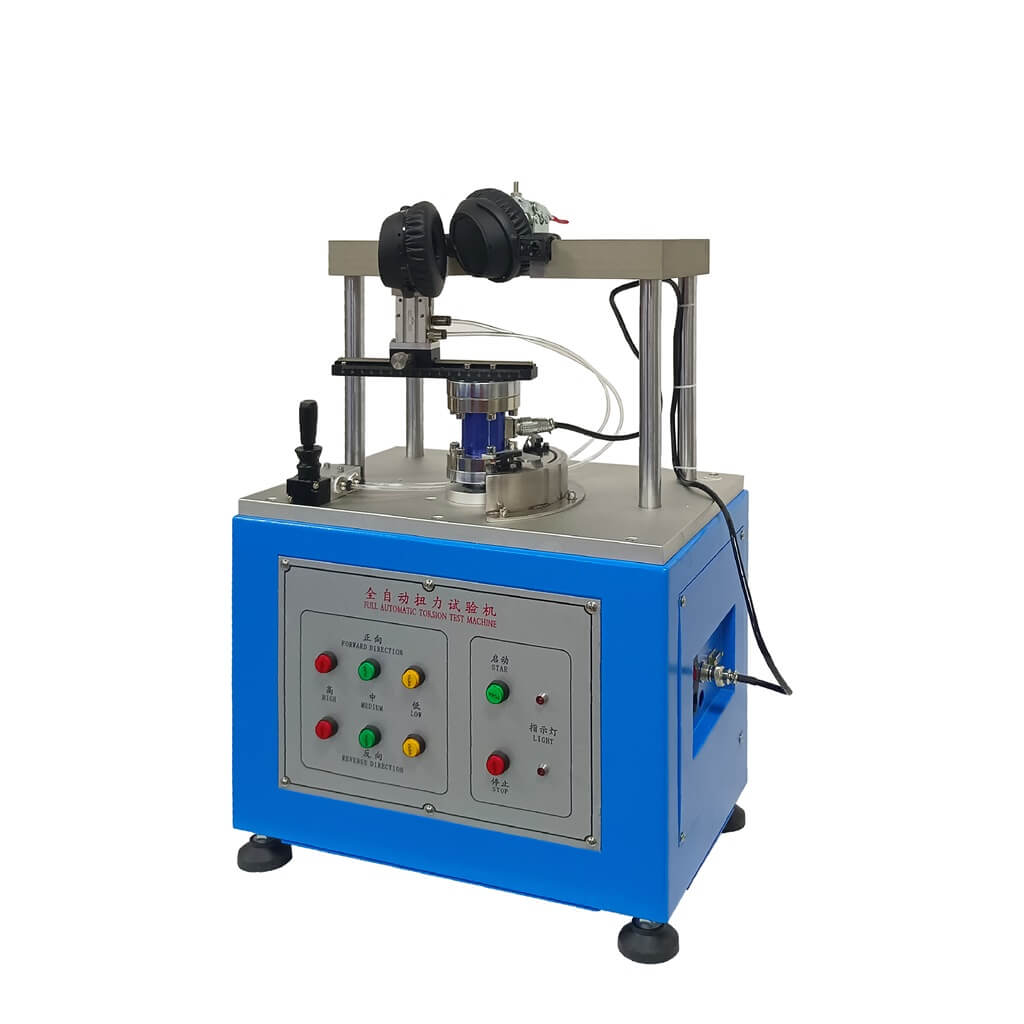
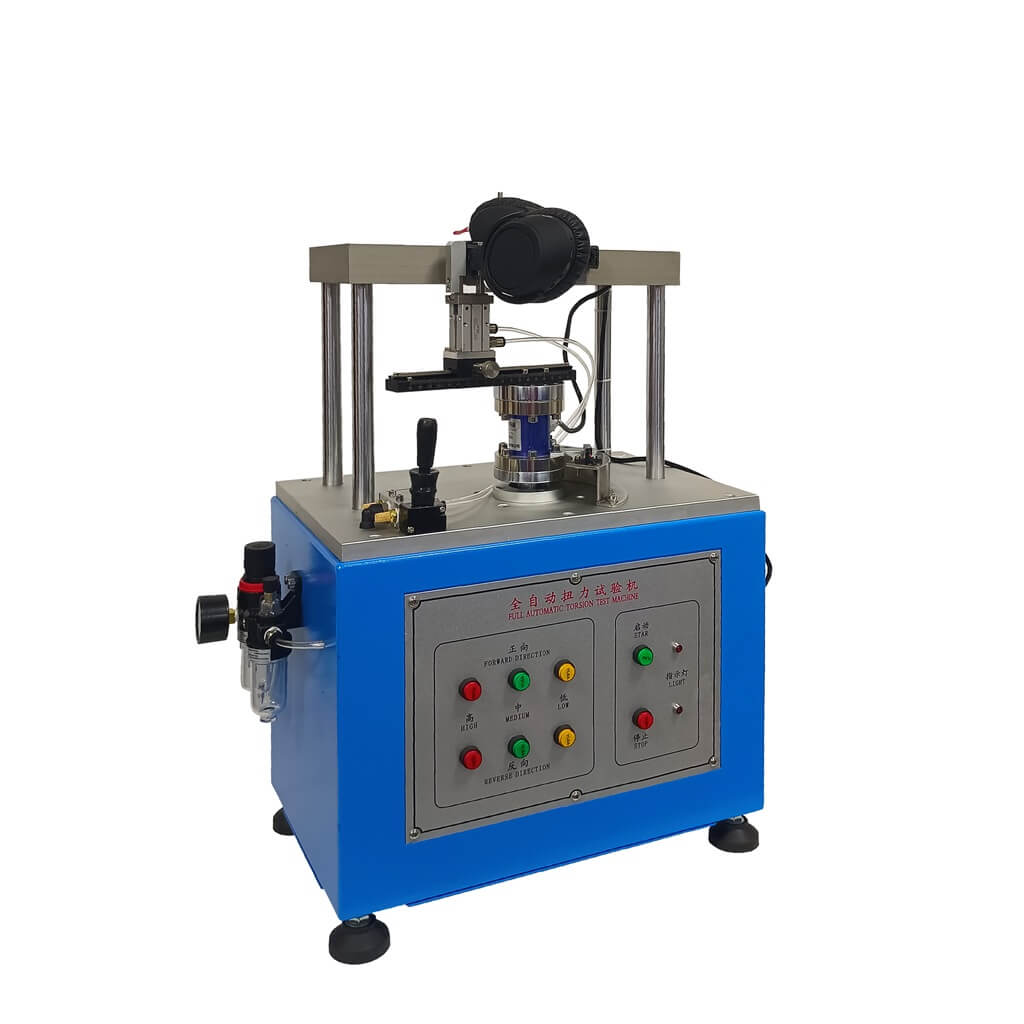
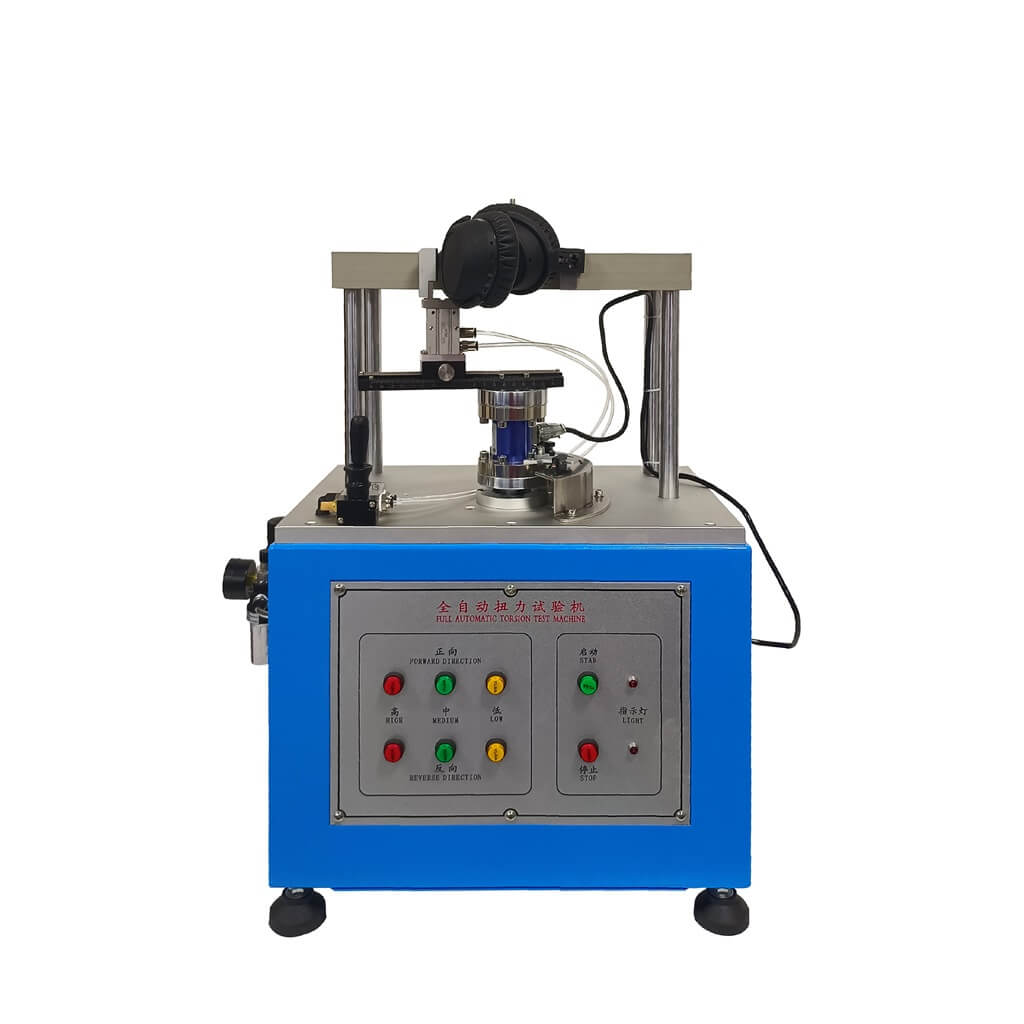
Comprehensive Guide to the SR-203 Automatic Torsion Test Machine
The SR-203 Automatic Torsion Test Machine represents the pinnacle of precision torque measurement technology, designed to meet the rigorous demands of modern material testing laboratories and quality control departments. This in-depth guide explores every aspect of this advanced testing system, from its technical specifications to its diverse industrial applications.
Why Torsion Testing Matters in Modern Industry
Torsion testing has become increasingly critical across multiple industries as manufacturers demand more precise data about material behavior under rotational stress. The SR-203 addresses this need by providing:
- Unparalleled accuracy in torque measurement (0.1° resolution)
- Wide testing range from delicate materials to heavy-duty components
- Standard-compliant results for global quality assurance
- Automated processes that reduce human error and increase throughput
Technical Specifications and Capabilities
Core Measurement Parameters
| Parameter | Specification | Industry Significance |
|---|---|---|
| Max Torque | 10/50/200/500kgf.cm (selectable) | Covers everything from fine wires to large fasteners |
| Angular Resolution | 0.1° | Detects minute material deformations |
| Speed Range | 60-15,000°/min | Simulates both slow wear and sudden stress conditions |
| Control System | Computer-operated with Windows software | Enables complex test protocols and data analysis |
| Motor | Panasonic servo | Ensures smooth operation with <0.5% variability |
Advanced Features Breakdown
- Multi-Range Torque Measurement
- Four selectable ranges accommodate diverse testing needs
- Automatic range switching for optimal measurement precision
- High-Speed Servo System
- Panasonic AC servo motor delivers consistent performance
- Maintenance-free operation with 10,000+ hour lifespan
- Precision Angular Measurement
- High-resolution optical encoder (0.1°)
- Real-time torque-angle curve generation
- Comprehensive Safety Systems
- Over-torque protection
- Emergency stop function
- Automatic shutdown at specimen failure
Industry-Specific Applications
1. Fastener Manufacturing Quality Control
The SR-203 plays a critical role in fastener production, enabling:
- Torque-to-Yield Testing: Precisely measures the point where fasteners begin to permanently deform
- Clamp Force Validation: Ensures consistent performance of bolted joints
- Comparative Analysis: Evaluates different materials and coatings
Compliance Standards:
- ISO 898-7: Mechanical properties of fasteners
- ISO 16047: Torque/clamp force testing
- ASTM F606: Standard test methods for fastener evaluation
2. Automotive Component Testing
Modern vehicles contain hundreds of torsion-critical components that require validation:
- Drive Shafts: Evaluates rotational durability
- Suspension Components: Tests bushings and joints
- Fastener Systems: Validates critical safety components
3. Wire and Cable Manufacturing
Cable manufacturers rely on the SR-203 for:
- Conductor Twist Testing: Determines strand integrity
- Insulation Performance: Measures sheathing durability
- Connector Reliability: Tests termination points
4. Material Science Research
Research institutions utilize the SR-203’s precision for:
- Composite Material Analysis
- Polymer Behavior Studies
- New Alloy Development
Complete Testing Methodology
Step 1: Specimen Preparation
- Material Selection: Choose appropriate test specimens
- Fixture Configuration: Select proper grips for material type
- Mounting Procedure: Secure specimen without pre-stress
Step 2: Test Configuration
- Standard Selection: Choose from pre-loaded ISO/ASTM protocols
- Parameter Input:
- Torque limit (10-500kgf.cm)
- Angular velocity (60-15,000°/min)
- Failure criteria
Step 3: Test Execution
- Automatic Alignment: System self-checks before starting
- Real-time Monitoring: Observe torque-angle curves during test
- Automatic Stop: Upon reaching failure criteria or completion
Step 4: Data Analysis
- Graphical Output: Torque vs. angle curves
- Key Parameter Extraction:
- Maximum torque
- Angular displacement at yield
- Failure mode identification
- Report Generation: Export to multiple formats (PDF, Excel)
System Architecture and Components
1. Mechanical Frame
- Dimensions: 360×260×940mm (W×D×H)
- Construction: High-grade steel with vibration damping
- Weight Capacity: Supports specimens up to 80kg
2. Drive System
- Motor Type: Panasonic AC servo
- Power Output: 750W standard
- Transmission: Precision gearbox with <1% backlash
3. Measurement System
- Torque Sensor: Strain-gauge based with temperature compensation
- Angle Encoder: Optical type with 0.1° resolution
- Sampling Rate: 1,000Hz for high-speed events
4. Control System
- Computer Interface: Windows-based software
- Data Acquisition: 16-bit resolution
- Connectivity: USB, Ethernet options
Advanced Software Features
Test Programming
- Pre-loaded Standards: 50+ common test protocols
- Custom Test Creation: User-defined parameters
- Sequence Testing: Automated multi-stage tests
Data Management
- Real-time Display: Multiple graph types
- Statistical Analysis: Mean, SD, Cp/Cpk calculations
- Cloud Integration: Optional data storage solutions
Reporting Tools
- Custom Templates: Branded report generation
- Multi-format Export: PDF, Excel, XML
- Automated Distribution: Email results directly from software
Comparative Advantages
Against Manual Testers
- 10x faster testing throughput
- Eliminates operator influence
- Enables complex test protocols
Against Competitor Models
- Higher resolution (0.1° vs typical 0.5°)
- Wider speed range (60-15,000°/min)
- More robust construction (80kg capacity)
Maintenance and Calibration
Routine Maintenance
- Daily Checks:
- Verify mechanical alignment
- Check lubrication points
- Monthly Procedures:
- Sensor verification
- Software updates
Calibration Services
- On-site Option: NIST-traceable calibration
- Frequency Recommendation: Annual certification
- Documentation: Full calibration reports provided
Frequently Asked Questions
Q: What materials can be tested?
A: Virtually any material from soft rubbers to hardened metals
Q: How often does calibration need performed?
A: Annual calibration recommended for quality-critical applications
Q: Can custom fixtures be accommodated?
A: Yes, we offer custom fixture design services
Complete Package Contents
- Main test unit with servo drive system
- Standard specimen grips (3 types)
- Computer control software (Windows)
- Calibration certificate (traceable)
- Comprehensive operation manual
- Optional Add-ons:
- Environmental chamber
- Automated specimen loader
- Advanced analysis modules
Why Choose SUNRISE for Your Torsion Testing Needs?
- 30+ Years of material testing expertise
- Global Support Network with local service centers
- Continuous Innovation in test methodologies
- Custom Solutions for unique requirements
- Competitive Pricing without quality compromise
Ordering Information
Lead Time: 2-4 weeks for standard configuration
Payment Terms: T/T, LC accepted
Shipping: Worldwide via DHL/FedEx
Warranty: 24 months on core components
Contact Our Sales Team Today
📞 +86 15992719785
📧 [email protected]
Reviews
There are no reviews yet.